Why are you paying a 30% “success tax” on every meal you cook just to let a third-party app handle your deliveries? It’s a common frustration for local business owners who feel trapped by high commission fees and the chaos of managing multiple tablets at the counter. Switching to a dedicated takeaway EPOS system with online ordering isn’t just about modernising your till; it’s about protecting your margins in a market where every penny counts.
We understand that you’re tired of complex fee structures and waiting days for your funds to clear. You deserve a partner that prioritises your cash flow with next-day funding and transparent transaction rates. This guide will show you how to unify your counter sales and online orders into one high-margin system. You’ll learn how to bin the extra tablets and run your entire shop from a single, dependable screen that puts you back in control of your profits.
We’ll walk you through the essential 2026 requirements, including how to navigate new digital food traceability regulations and the shift toward direct customer ordering. By the end of this guide, you’ll have a clear roadmap to a more profitable, professional, and stress-free takeaway business that keeps your hard-earned money in your own pocket.
Key Takeaways
- Learn why 2026 is the year to adopt a direct-to-consumer model to protect your margins and reclaim customer loyalty.
- Discover how a takeaway EPOS system with online ordering unifies walk-ins, phone calls, and web orders onto a single, efficient screen.
- Understand the true impact of third-party commission fees and how to implement a system that eliminates these unnecessary costs.
- Identify the core hardware requirements needed to create a seamless link between your kitchen, your counter, and your online menu.
- Explore how transparent processing rates and next-day access to funds can help you maintain a healthy and predictable cash flow.
The Evolution of Takeaway EPOS Systems in 2026
The humble cash register is a relic of the past. In 2026, a Point of Sale (POS) system is no longer just a place to park cash; it’s the central hub of your entire operation. A modern takeaway EPOS system with online ordering acts as a digital air traffic controller. It manages walk-in customers, phone enquiries, and web orders simultaneously. This shift isn’t just about technology. It’s about survival. High commissions from third-party apps have forced a move toward a “Direct-to-Consumer” model. Business owners are reclaiming their margins by encouraging customers to order through their own platforms.
Why is 2026 the tipping point for direct sales? It’s largely due to the maturity of the market. Customers are now accustomed to ordering via QR codes and mobile apps. They are often happy to support local businesses directly if the experience is smooth and professional. By owning the ordering platform, you aren’t just saving on fees; you’re owning the customer data. You can see who your regulars are and what they like to eat. This level of insight was once reserved for global chains, but integrated EPOS systems have made it accessible to every local chippy and curry house.
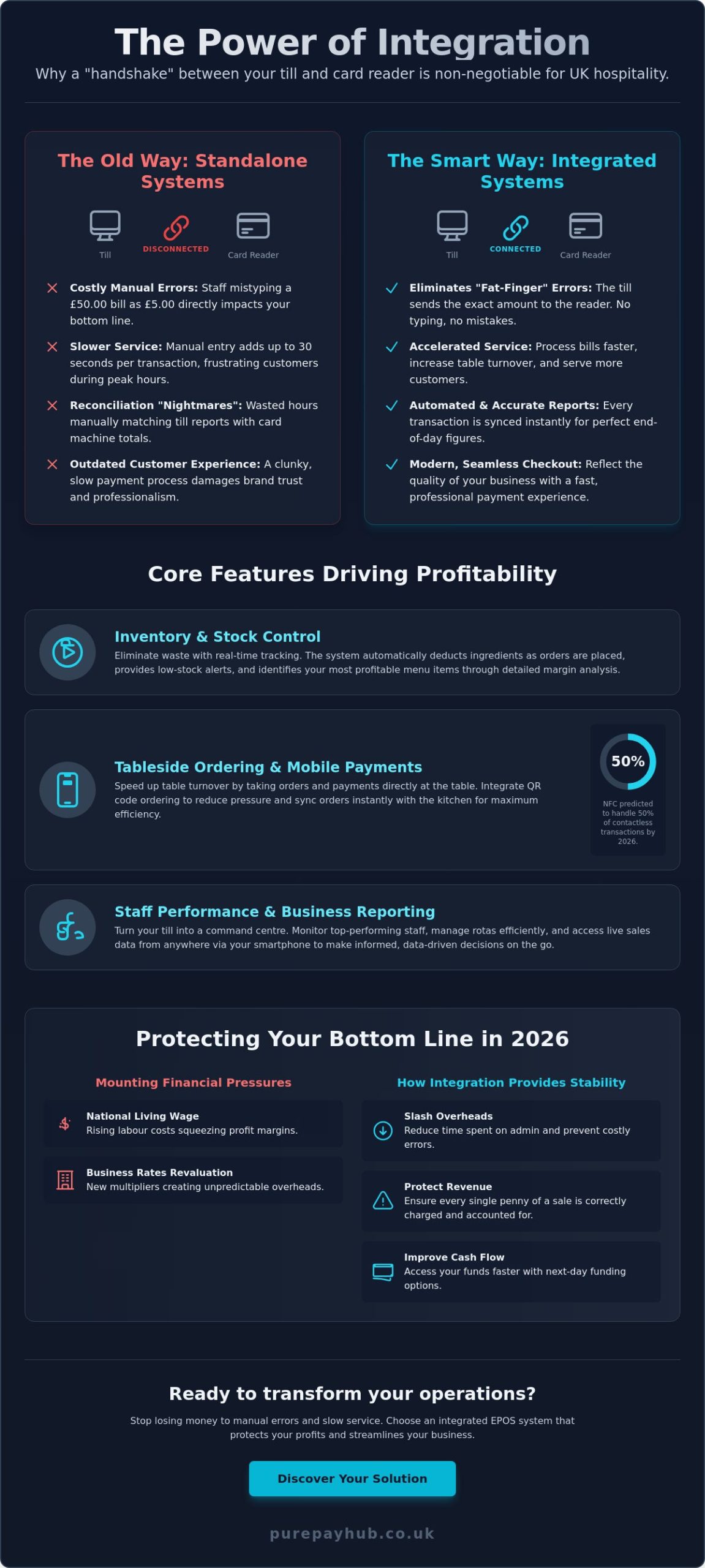
Speed is everything in a busy takeaway. Integrated card machines have replaced standalone units that require staff to manually type in amounts. When your till talks directly to your card terminal, service is faster and human error is virtually eliminated. It turns your EPOS into a data-driven management tool rather than a simple calculator. It ensures that every transaction is tracked, every penny is accounted for, and your staff can focus on getting the food out the door.
The Death of Tablet Hell
If you’ve ever stood behind a counter surrounded by five different tablets, all pinging with different notification sounds, you’ve experienced tablet hell. It’s inefficient and stressful. A unified system pulls every order from external marketplaces into one master list on your main screen. You don’t need to manually re-enter an online order into your till. This single step alone slashes the risk of kitchen errors and ensures your staff can focus on the food, not the hardware.
Real-Time Inventory and Menu Synchronisation
Customer frustration often starts with an “out of stock” phone call. If you sell the last portion of a popular special in-store, your online menu needs to reflect that instantly. Modern systems allow for real-time synchronisation. You update a dish once on your terminal, and it changes across your website and delivery platforms. You can also schedule seasonal specials or price changes in advance, ensuring your digital presence is always as accurate as your physical menu.
Essential Features of a High-Performance Takeaway Platform
Efficiency is the heartbeat of any successful shop. A takeaway EPOS system with online ordering must be more than a digital till; it needs to be an intuitive partner. Your staff shouldn’t struggle with complex menus during a Friday night rush. A clean, touch-screen interface allows for rapid order entry, reducing wait times at the counter. It’s about making the technology work for you, not the other way around. Clear layouts and logical categories ensure that even new staff can take orders with minimal training.
Your online presence should be a mirror of your physical brand. An integrated ordering module ensures that when a customer visits your website, they see your colours, your logo, and your specific menu layout. This consistency builds trust and professionalises your business. It’s a key part of using technology for restaurant success in 2026. When the system is unified, you can manage your own delivery drivers with built-in tracking tools, ensuring every meal arrives hot and on time without relying on expensive third-party logistics.
Kitchen Display Systems (KDS) vs. Traditional Printers
Paper tickets are prone to getting lost, stained, or misread in a humid, high-pressure kitchen. Digital screens provide a clear, organised view of every active order. A KDS tracks “time-to-prep” metrics automatically. This data helps you spot bottlenecks in your service. If the burger station is consistently slower than the fryers, you can adjust your staffing levels based on facts. Once an order is marked as ready, the system can auto-print a receipt specifically for the delivery driver, including the address and any special delivery instructions.
Caller ID and Customer Databases
Personalisation wins loyalty. When a regular customer calls, your EPOS should recognise their number immediately. Accessing their order history allows your staff to ask, “Do you want the usual?” This saves time and makes the customer feel valued. These databases also serve as a powerful marketing tool. You can build a compliant list for SMS promotions or midweek special offers to drive sales during quieter periods. Automated loyalty programmes can then reward these direct customers, giving them a reason to skip the third-party apps.
Managing these features shouldn’t feel like a second job. Choosing a professional EPOS system ensures these tools work together seamlessly, allowing you to focus on the quality of your food rather than fighting with your software.
Direct Online Ordering vs. Third-Party Apps: Protecting Your Margins
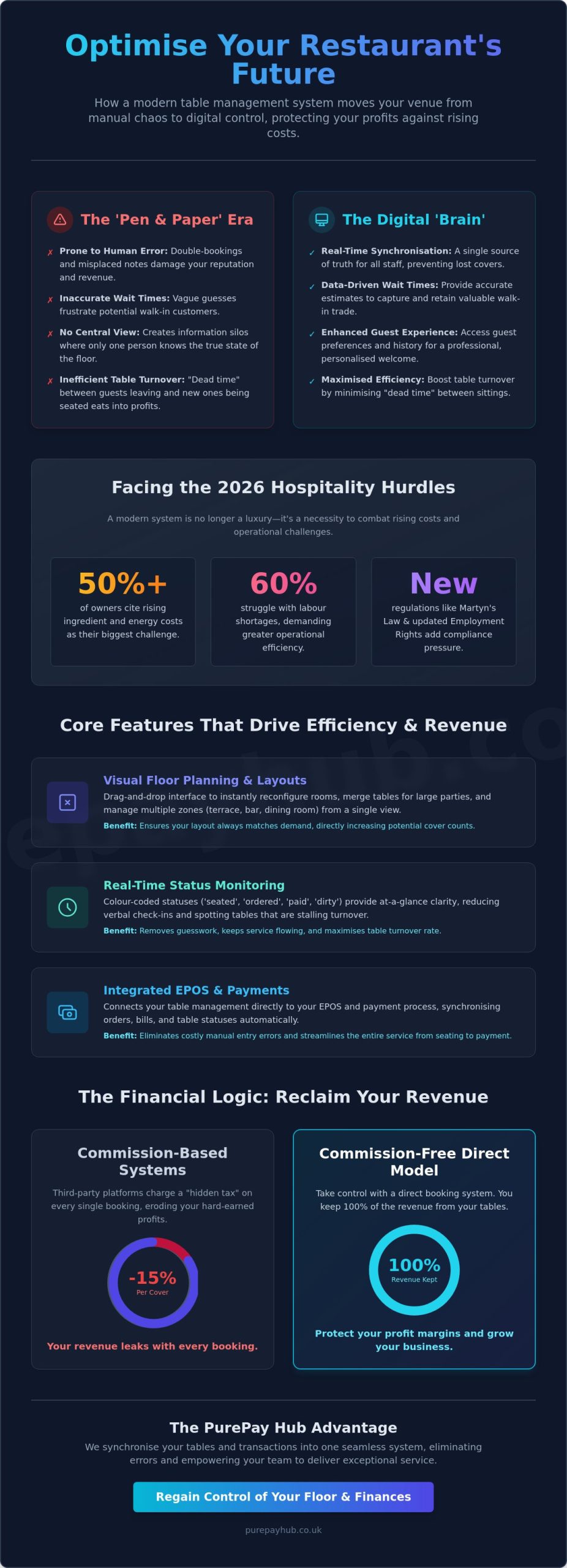
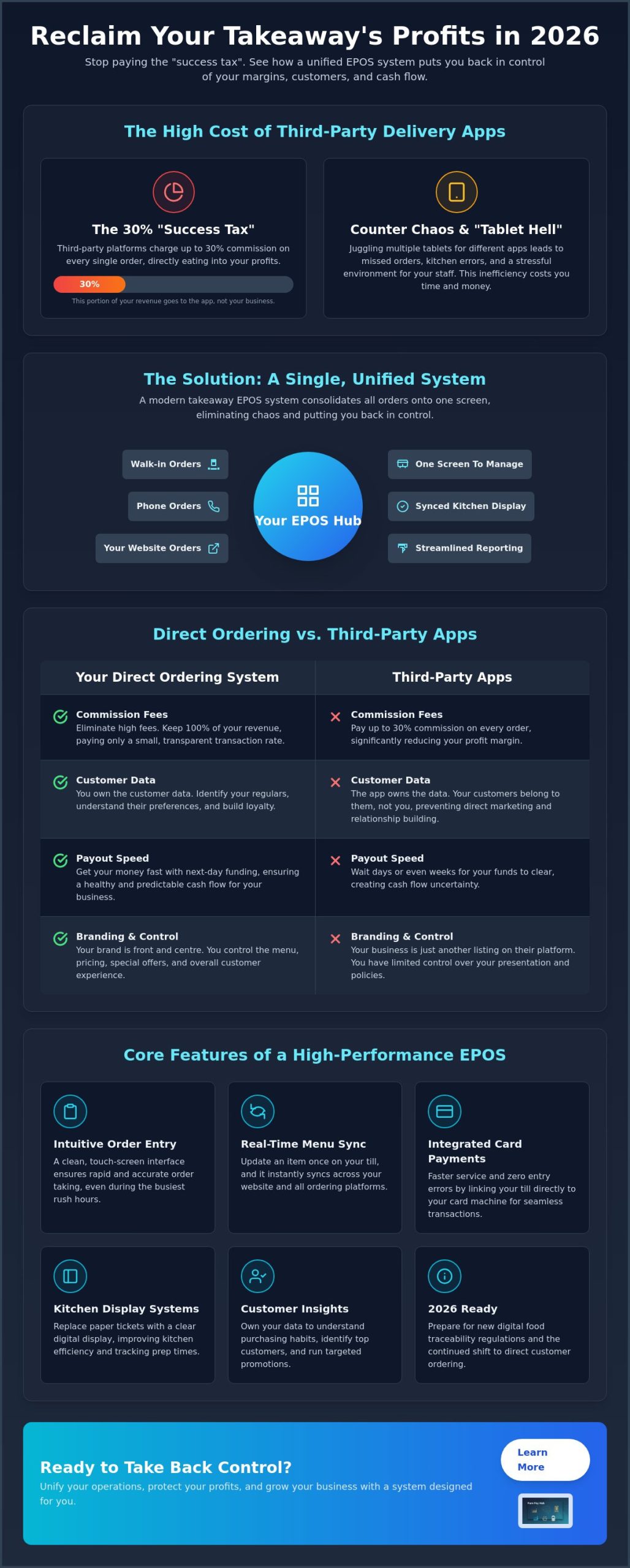
Third-party marketplaces aren’t your partners; they’re your most expensive landlords. Every time a customer finds you through a major delivery app, you’re likely handing over a 15% to 30% commission. This “success tax” eats into your profit before you’ve even paid for ingredients or staff. Investing in a takeaway EPOS system with online ordering allows you to reclaim this lost revenue. It shifts the power back into your hands by removing the middleman from the transaction.
Owning your platform gives you total control over your pricing. Many businesses feel forced to inflate their marketplace prices to cover the heavy fees, which can make them look uncompetitive. When customers order directly, you can offer fairer prices whilst still retaining a higher margin. There’s a psychological benefit here, too. Customers who order from your website develop a relationship with your brand, not the app’s interface. They become your regulars, not the marketplace’s data points.
The most effective way to migrate customers away from expensive apps is through “Direct Only” incentives. Offering a small discount or a free side dish for orders placed on your own site is a win-win. You might give away 10% in value, but you’re still saving significantly more compared to a 30% marketplace fee. It’s a simple, transparent strategy that builds long-term loyalty and keeps your hard-earned money in your business.
Analysing the Profit Gap
Let’s look at the numbers. A £30 order on a marketplace often leaves a business with just £21 after commissions and service fees are deducted. On your own site, that same order keeps nearly the full amount in your till. Saving £5 or £9 on every single delivery quickly adds up to thousands of pounds over a year. This found money can fund your business expansion, pay for equipment upgrades, or simply provide a much-needed financial cushion. Switching to direct ordering increases annual net profit by up to 20%.
Data Ownership and Customer Retention
Marketplace apps keep your customer data for their own marketing. They’ll often use the fact that someone bought from you to suggest a competitor’s deal the following week. Direct ordering changes the game. You get the email address and phone number of every diner who interacts with your site. This allows you to send personalised SMS promotions on a slow Tuesday or reward your most frequent visitors. A professional takeaway EPOS system with online ordering also lets customers save their favourite meals, allowing them to checkout in seconds and making your site the most convenient choice for their next Friday night treat.
Hardware Requirements and Seamless Setup Guidance
Building a reliable takeaway EPOS system with online ordering requires more than just high-quality software. You need a physical setup that can withstand the heat of a busy kitchen and the pressure of a Friday night rush. The core stack for any modern takeaway consists of a durable touchscreen terminal, a high-speed thermal printer for orders, and a secure cash drawer. These components form the foundation of your shop’s operations. They must be robust enough to handle constant use without failing when you need them most.
Beyond the front counter, your back-office administration also requires dependable equipment; to see how leading hardware brands compare for your business needs, check out HGC Technologies UK Ltd.
Your till and card terminal must talk to each other. Manual entry is a recipe for disaster during peak times. When your hardware is fully integrated, the amount from the till is sent directly to the card terminal, eliminating typing errors and speeding up the queue. This connection also ensures that every online payment is logged correctly against the specific order in your system. It makes your end-of-day reconciliation a five-minute task rather than a late-night headache.
Network stability is non-negotiable for a business that relies on web orders. A dropped connection means lost sales and frustrated customers. In 2026, we are also seeing a significant rise in self-service kiosks. These units allow walk-in customers to browse your menu and pay independently. This trend is helping local takeaways reduce front-of-house labour costs whilst ensuring that staff can focus on preparing high-quality food and managing deliveries.
As these digital systems become more integral to the industry, the infrastructure supporting them is also evolving; Ethernetics is at the forefront of this change, providing energy-saving solutions to decarbonise the data centres and telecommunications networks that power modern commerce.
Choosing the Right Card Machine
The right hardware depends on how your customers prefer to pay. A Countertop Card Machine is the standard choice for permanent till points where space is consistent. However, if you offer “pay at the door” delivery services, a Portable Card Machine is essential. These units use mobile data or Wi-Fi to process payments anywhere. Regardless of the model, security is paramount. All hardware must be PCI compliant to protect your customers’ data and shield your business from heavy non-compliance fines.
The Installation Process
Downtime is lost revenue, so look for “plug and play” systems. These arrive pre-configured with your menu already loaded, allowing you to start trading almost immediately. Staff training should be straightforward if the interface is intuitive, but don’t overlook the importance of ongoing support. Having access to UK-based technical assistance whilst you are actually trading provides vital peace of mind. If a printer jams or a connection drops during a busy shift, you need a partner who answers the phone and understands the urgency of your business.
Ready to upgrade your shop’s technology? Explore our range of EPOS systems designed for the modern takeaway.
Maximising Revenue with PurePay Hub Integrated Solutions
Operational efficiency is only half of the battle. You’ve streamlined your kitchen and unified your tablets, but your profit still depends on what you keep after transaction fees. Many providers hide their true costs behind complex tiers and monthly service charges. We take a different approach. With PurePay Hub, you benefit from transparent pricing that lets you plan your finances with confidence. Debit card charges start from just 0.3%, whilst credit card rates begin at 0.5%. These are some of the fairest rates in the industry, designed specifically to help local takeaways thrive.
Cash flow is the lifeblood of any food business. Waiting days for your hard-earned money to reach your bank account can make it difficult to pay suppliers or staff. We solve this by providing next-day access to funds. When you process a transaction through your takeaway EPOS system with online ordering, the money is available to you almost immediately. This stability allows you to manage your daily expenses without the stress of “pending” balances or slow bank transfers.
Our hardware doesn’t work in isolation. PurePay Hub card machines offer seamless integration with leading takeaway EPOS software. This means that every order, whether it’s a walk-in sale or a web delivery, flows through a single, dependable financial pipeline. You won’t have to deal with mismatched totals or manual reconciliation at the end of a long shift. Everything is synchronised, secure, and designed to save you time.
The PurePay Hub Advantage for Takeaways
We pride ourselves on being a fair partner to regional business owners. There are no hidden markups or opaque fee structures here; just straight-talking merchant services that put you first. Our quick onboarding process means you can get your new ordering system live in days, not weeks. Once you’re up and running, you’ll have access to dedicated account management. We’ll work with you to optimise your transaction costs and ensure you’re always getting the best possible value from our partnership.
Supporting Your Growth
Growth often requires an initial investment that isn’t always sitting in your bank account. Whether you need a new delivery bike, more efficient fryers, or a kitchen refurbishment, our Business Cash Advance can help. Unlike traditional loans, this is based on your card turnover. Repayments are flexible and move in line with your daily sales volume. If you have a quiet Tuesday, you pay back less. If you have a busy Friday, you pay back more. It’s a supportive way to fund development without the pressure of fixed monthly payments. Contact PurePay Hub today to secure your bespoke takeaway rate and take the first step toward a more profitable 2026.
Take Control of Your Takeaway’s Future
The days of juggling multiple tablets and losing 30% of your revenue to third-party marketplaces are over. By implementing a modern takeaway EPOS system with online ordering, you’re choosing a path of efficiency and higher margins. You’ve seen how a unified hub simplifies your kitchen workflow and how direct sales build lasting customer loyalty. It’s time to stop paying a success tax on every meal you cook and start keeping more of your hard-earned money.
We’re here to be the fair partner your business deserves. You won’t find any hidden markups or confusing fee structures here. Instead, you get debit rates from 0.3%, next-day funding as standard, and no-nonsense UK-based support whenever you need it. We’ve built our reputation on transparency because we know that’s what local business owners actually value. Your success is our priority, and we have the tools to help you reach it.
Get a Transparent Quote for Your Takeaway EPOS and Payments today. Let’s work together to make 2026 your most profitable year yet.
Frequently Asked Questions
What is the best EPOS system for a small takeaway?
The best system for a small takeaway is one that unifies all your sales channels into a single screen whilst protecting your margins. You need a solution that prioritises direct ordering to help you avoid heavy third-party commissions. Look for a partner that offers transparent pricing and reliable UK-based support. This ensures your technology remains a supportive ally rather than a source of stress during a busy shift.
How much does a takeaway EPOS system cost per month?
Monthly costs for an EPOS system typically depend on your specific software needs and hardware choices. Some providers offer basic software plans, whilst others include advanced features like real-time inventory and kitchen display integrations. Instead of focusing solely on the monthly fee, you should consider the total cost of ownership. This includes transaction rates and the potential savings gained from moving customers away from high-commission platforms.
Can I use my own website for online ordering with an EPOS?
You can absolutely use your own website for ordering when you choose a modern takeaway EPOS system with online ordering. The system provides a professional web module that mirrors your physical brand. This allows you to keep the full value of every sale. It also gives you direct access to customer data, enabling you to send personalised promotions and build long-term loyalty without a middleman.
Do takeaway EPOS systems integrate with Just Eat and Deliveroo?
Yes, high-quality takeaway EPOS system with online ordering solutions integrate directly with major marketplaces like Just Eat, Deliveroo, and Uber Eats. This integration ends the chaos of managing multiple tablets by pulling every order into one master list on your main terminal. It eliminates the need for manual re-entry. This reduces the risk of kitchen errors and ensures your staff can focus on preparing food rather than fighting with hardware.
What hardware do I need for a takeaway online ordering system?
The essential hardware stack includes a durable touchscreen terminal, a thermal receipt printer, and a secure cash drawer. You’ll also need an integrated card machine that communicates directly with your till to prevent entry errors. For kitchens, a Kitchen Display System (KDS) is often a better choice than paper tickets. It provides a clear, digital view of active orders and tracks your preparation times automatically.
How do integrated payments speed up my takeaway service?
Integrated payments speed up service by removing the need for staff to type transaction amounts into a standalone card terminal. When your EPOS and card machine are linked, the total is sent instantly and accurately. This slashes wait times at the counter and ensures your end-of-day reconciliation is simple and error-free. It turns your payment process into a seamless part of the customer experience.
Is next-day funding available for takeaway businesses?
Next-day funding is available and serves as a stabilising force for your shop’s finances. We understand that takeaways need healthy cash flow to pay suppliers and staff without delay. By choosing a partner that offers rapid access to your funds, you avoid the frustration of waiting days for card payments to clear. It ensures that the money you earn today is in your account tomorrow.
Can I get a business cash advance for my takeaway?
You can secure a business cash advance based on your daily card sales volume. This is a flexible alternative to traditional bank loans, as repayments move in line with your turnover. If you have a quiet week, you pay back less. It’s an ideal way to fund new kitchen equipment, a delivery vehicle, or a shop refurbishment without the pressure of fixed monthly repayments.