Why are you still spending your evenings manually typing sales figures into a spreadsheet? It’s a common frustration for local shop owners and restaurateurs who find themselves buried in receipts long after the doors have closed. If you’ve ever felt that sinking feeling during a stressful end-of-day cashing up session, you’re not alone. Learning how EPOS systems streamline small business accounting is no longer just a luxury. It’s a vital step for any merchant wanting to navigate the 2026 regulatory shifts with confidence.
We know that the fear of HMRC errors or missing a Making Tax Digital deadline can be exhausting. You deserve a partner that simplifies the link between your daily sales and your bank balance. This guide promises to show you how modern EPOS integration automates your bookkeeping, removes the risk of manual errors, and ensures you stay compliant with ease. We will explore the tools that provide a real-time view of your cash flow and explain why automated VAT calculations are the secret to a stress-free tax season.
Key Takeaways
- Learn why an integrated digital bridge is the essential link between your shop floor and your bookkeeping software.
- Discover how EPOS systems streamline small business accounting by syncing every transaction in real-time to eliminate manual data entry.
- Understand how to automate VAT calculations and ensure your business remains fully MTD-compliant as regulations evolve in 2026.
- Find out how to remove human error from your daily cashing up and achieve perfect reconciliation between your till and your bank.
- Explore how combining low transaction rates with next-day funding can transform your cash flow and financial clarity.
What is an Integrated EPOS System in an Accounting Context?
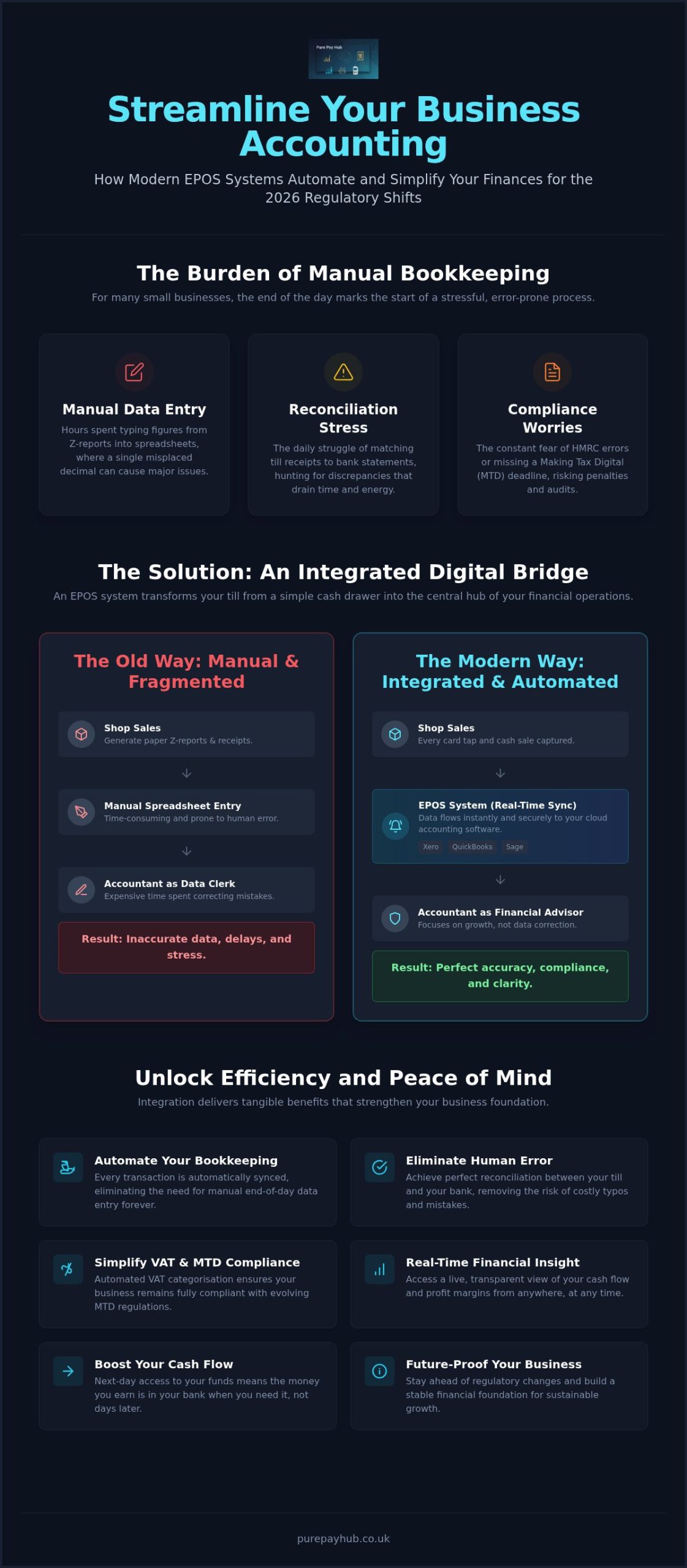
Understanding how EPOS systems streamline small business accounting starts with redefining the till itself. In a modern setting, an EPOS is no longer just a locked drawer for cash. It functions as a digital bridge that connects your physical sales floor directly to your financial ledger. Every time a customer taps their card, a wealth of data moves across this bridge. This includes the price, the specific VAT rate, the stock deducted, and even which staff member processed the transaction.
The old legacy cash registers were “dumb” machines. They recorded a total and printed a receipt, leaving you to piece together the story of your business at the end of the month. Modern data-driven systems are different. They provide a transparent, real-time narrative of your business health. For your bookkeeper, “integrated” is the most important word in their vocabulary. It means your sales data flows automatically into your accounting software without anyone having to lift a pen or open a spreadsheet.
The Move from Manual to Digital Bookkeeping
Manual data entry is the biggest threat to your business accuracy. When you spend hours typing figures from Z-reports into a computer, mistakes are inevitable. A single misplaced decimal point can lead to a stressful HMRC enquiry or a skewed view of your profits. Transitioning to automated tools is the primary way how EPOS systems streamline small business accounting in a competitive market. The humble UK till has evolved into a sophisticated financial management hub that protects you from these human errors.
An EPOS system is a real-time data synchronisation tool that allows SMEs to link every transaction directly to their financial records. This evolution ensures that your business stays compliant whilst you focus on serving your customers.
Core Components of a Modern Accounting-First EPOS
A high-quality Point of Sale (POS) system built for 2026 focuses on three core pillars to support your accounting:
- Cloud-based storage: This gives you and your accountant instant access to financial records from any location, ensuring you aren’t tied to the shop floor to check your numbers.
- Automated VAT categorisation: The system identifies whether an item is standard, reduced, or zero-rated at the point of sale, removing the guesswork from your tax returns.
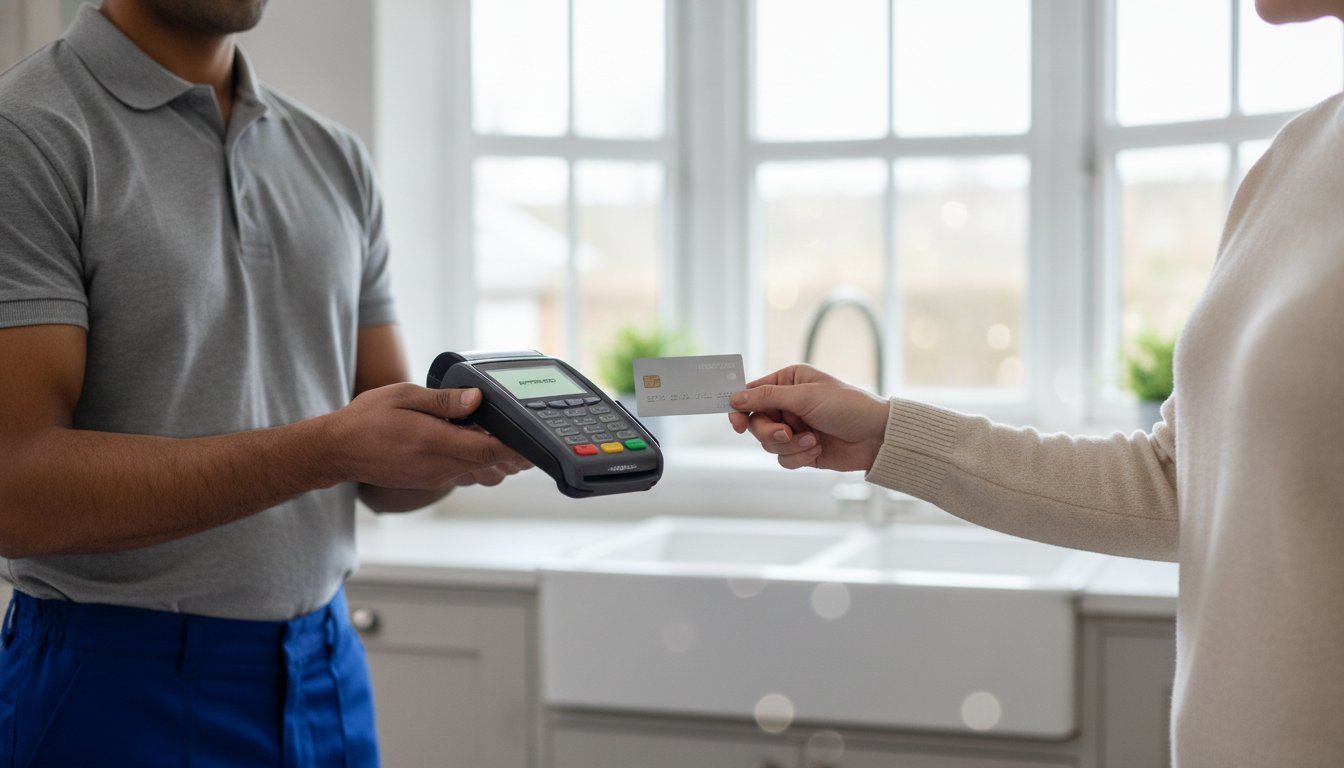
- Hardware integration: Seamless connections with a Countertop Card Machine ensure that the amount on the till always matches the amount processed by the bank.
By centralising these functions, you create a stable foundation for your finances. You won’t just save time; you’ll gain the clarity needed to make informed decisions about your business growth and development.
Real-Time Data Synchronisation with Accounting Software
The “monthly shoebox” is a relic of the past. For years, small business owners spent the first Monday of every month sorting through crumpled receipts and faded Z-reports. This manual process isn’t just tedious; it’s expensive. When you hand a messy bundle of paperwork to your accountant, you’re paying them to be a data entry clerk rather than a financial advisor. Real-time synchronisation changes this dynamic. By using API connections, your till literally talks to your accounting software. This is a primary example of how EPOS systems streamline small business accounting by ensuring every sale is recorded the moment it happens.
Cloud updates allow you to monitor your profit margins whilst you’re at home or even asleep. You don’t need to wait for a quarterly report to see if your food costs are too high or if a specific product line isn’t performing. The data is “clean,” meaning it arrives in your ledger pre-categorised and ready for review. Governments worldwide are encouraging this shift, highlighting the importance of digital tools for tax management to reduce administrative burdens and improve transparency.
Seamless Integration with Xero, QuickBooks, and Sage
Most UK merchants already use platforms like Xero, QuickBooks, or Sage. A modern EPOS doesn’t replace these; it feeds them. Whether a customer pays by cash or card, the system splits the transaction into its component parts. It identifies the net sale, the VAT, and the payment method. This automation ensures your bank reconciliation is a simple “click and confirm” process rather than a multi-hour detective job. You can see your physical sales match your digital records instantly without any manual intervention.
The Benefit of Next-Day Access to Funds
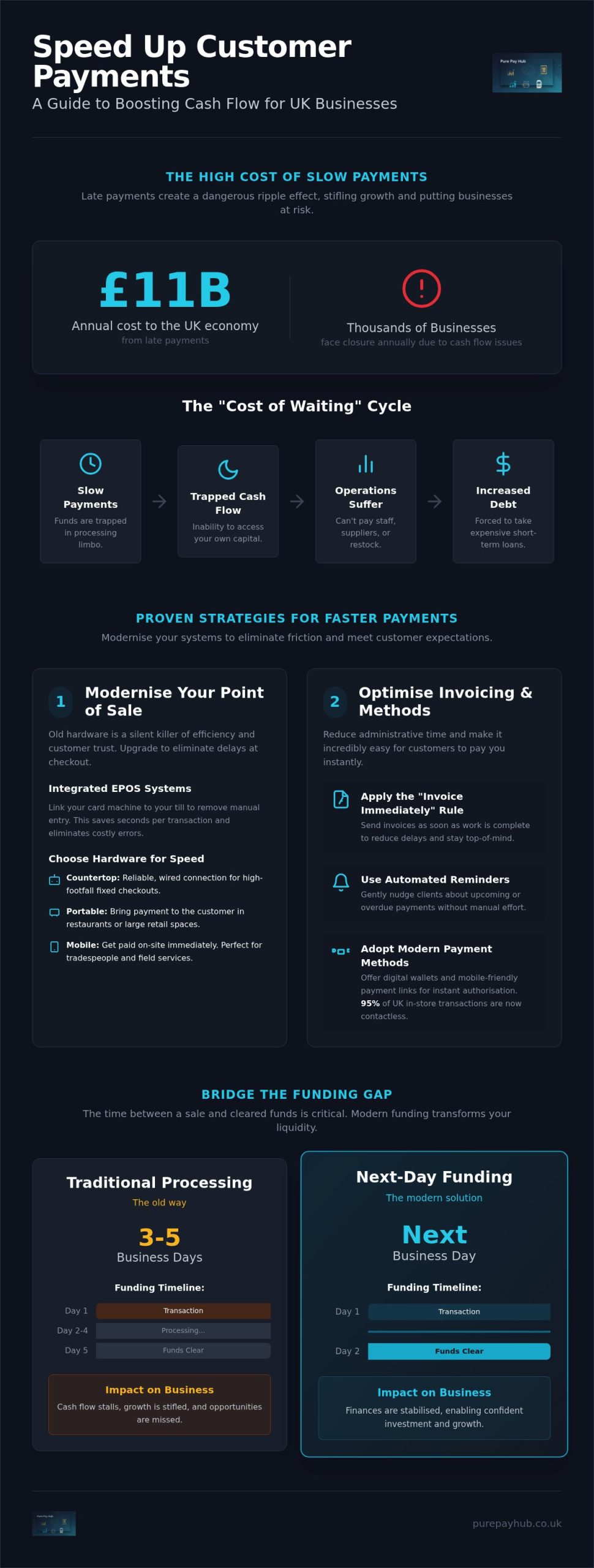
Cash flow is the heartbeat of any retail or hospitality business. If your sales data says you’ve had a record-breaking Friday, but the money doesn’t hit your bank until Wednesday, your accounting becomes a guessing game. PurePay Hub provides next-day access to funds, which is a critical metric for accurate forecasting. This speed allows you to match your digital sales reports with actual bank deposits almost immediately. It removes the stress of “pending” balances and gives you a true view of your available capital.
When your bank balance reflects your till reports within 24 hours, your cash flow forecasting becomes reliable. You can pay suppliers, manage payroll, and invest in stock with total confidence. If you want to see this level of clarity in your own books, exploring an integrated EPOS system is the logical next step. It turns your payment processing into a stabilising force for your entire business.
Simplifying VAT Compliance and Making Tax Digital (MTD)
Tax season doesn’t have to be a period of dread. For many merchants, the complexity of VAT is what makes bookkeeping feel like a second job. This is where you see exactly how EPOS systems streamline small business accounting by removing the manual calculation of tax on every pint, pastry, or pair of shoes sold. Instead of checking every receipt, the system applies the correct VAT rate the moment the barcode is scanned or the item is selected on the screen. It also monitors your taxable turnover against the compulsory £90,000 VAT registration threshold, ensuring you know exactly when you need to register or if you are approaching the £88,000 deregistration limit.
Managing standard, reduced, and zero-rated items happens entirely in the background. By integrating with other business tools, your EPOS ensures that these figures are not just accurate at the till but are also correctly categorised in your final ledger. This creates a digital paper trail that is essentially “audit-ready” from day one. If HMRC ever requests a review of your records, you can generate a comprehensive report at the touch of a button. You no longer have to worry about missing digital records or inconsistent data entry that could trigger an investigation.
Staying Compliant with MTD Requirements
Making Tax Digital (MTD) is shifting from a suggestion to a strict requirement for almost every UK business. From April 2026, self-employed individuals and landlords with an annual income over £50,000 must comply with MTD for Income Tax Self Assessment (ITSA). This threshold will extend to those earning over £30,000 in April 2027. Your EPOS acts as the “functional compatible software” needed to bridge the gap between your daily operations and HMRC’s digital portal. It stores your records in the required digital format, helping you avoid costly fines whilst keeping your focus on daily growth.
Managing Split VAT and Hospitality Complexities
In the hospitality sector, VAT is famously complex. A sandwich sold to a customer sitting in a chair carries a different VAT implication than one taken away. Integrated systems handle these “split VAT” scenarios automatically. They prevent the expensive miscalculations that often occur when staff are busy and have to make manual tax decisions on the fly. For pub and restaurant owners, this automation turns a potential accounting nightmare into a simple, background process. It provides total clarity on what is owed, protecting your profit margins from unexpected tax bills at the end of the quarter.
Eliminating Human Error and Reconciliation Stress
Reconciliation is a fancy word for a simple question: does the money in the bank match what the till says you sold? For many, this is where the evening takes a turn for the worse. Manual reconciliation is the primary source of accounting errors. It usually involves a tired business owner squinting at a card machine receipt whilst typing numbers into a spreadsheet. One slip of the finger and your books are out by hundreds of pounds, leading to hours of forensic searching for a misplaced decimal point.
The “Double Entry” problem disappears when your hardware is synced. Because your card machine is linked to your EPOS, there is no need for staff to “key in” the price twice. This automated matching is a core reason how EPOS systems streamline small business accounting for modern retailers. It ensures that the till and the bank always match; identifying discrepancies instantly rather than at the end of a long month. This creates a culture of financial transparency amongst your staff, as every penny is accounted for in real-time. You can spot a mistake the moment it happens, rather than chasing a phantom error weeks later.
Automated End-of-Day Reporting
Cashing up used to mean manual Z-reports and piles of paper. Modern systems generate these reports automatically and can email them directly to your accountant in a format they actually like. It removes the friction from your daily routine. The psychological relief of seeing a perfectly balanced till every single evening is worth the investment alone. It means you can go home knowing your data is accurate and your ledger is clean, without the nagging worry of a cashing-up catastrophe.
Tracking Stock Value for Accurate Balance Sheets
Your accounting isn’t just about sales; it’s about assets. An integrated system links stock control directly to your business assets, allowing for a much more precise balance sheet. This automation provides several key benefits:
- Automated COGS: Your “Cost of Goods Sold” is calculated on the fly, giving you accurate profit reporting for every single shift.
- Real-time Valuation: You always know the exact value of the stock sitting on your shelves, which is vital for insurance and tax purposes.
- Reduced Stocktakes: Whilst you’ll still need an occasional count, the need for massive, manual year-end stocktakes is significantly reduced.
Accurate stock data means your balance sheet reflects the true value of your business at all times. If you want to stop the late-night stress and ensure your records are always spot on, browse our integrated EPOS systems and reclaim your evenings.
Future-Proofing Your Business with PurePay Hub
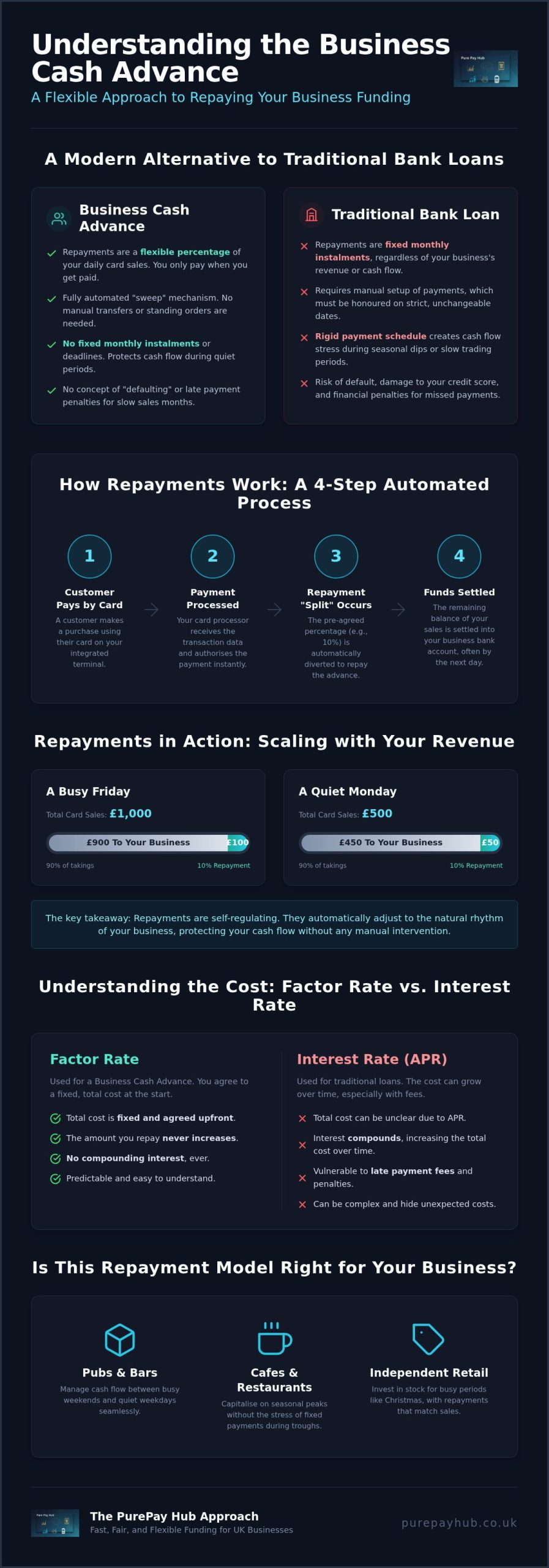
A reliable accounting process is built on a foundation of transparency. If your merchant service provider hides costs within complex fee structures, your reconciliation will never be truly accurate. We believe that clarity is the most important tool for any business owner. By combining low transaction rates with high-end accounting efficiency, you can ensure your business remains profitable and organised as you grow. This is the final piece of the puzzle in understanding how EPOS systems streamline small business accounting; they turn your payment data into a strategic asset rather than a daily chore.
Scaling your business should be an exciting milestone, not an accounting headache. Whether you are opening a second boutique or a third cafe, an integrated system allows you to manage multiple locations from a single, centralised dashboard. You can compare the performance of different sites and ensure that your bookkeeping remains consistent across the entire brand. This bird’s-eye view prevents the fragmentation that often occurs when small businesses expand too quickly without the right digital infrastructure in place.
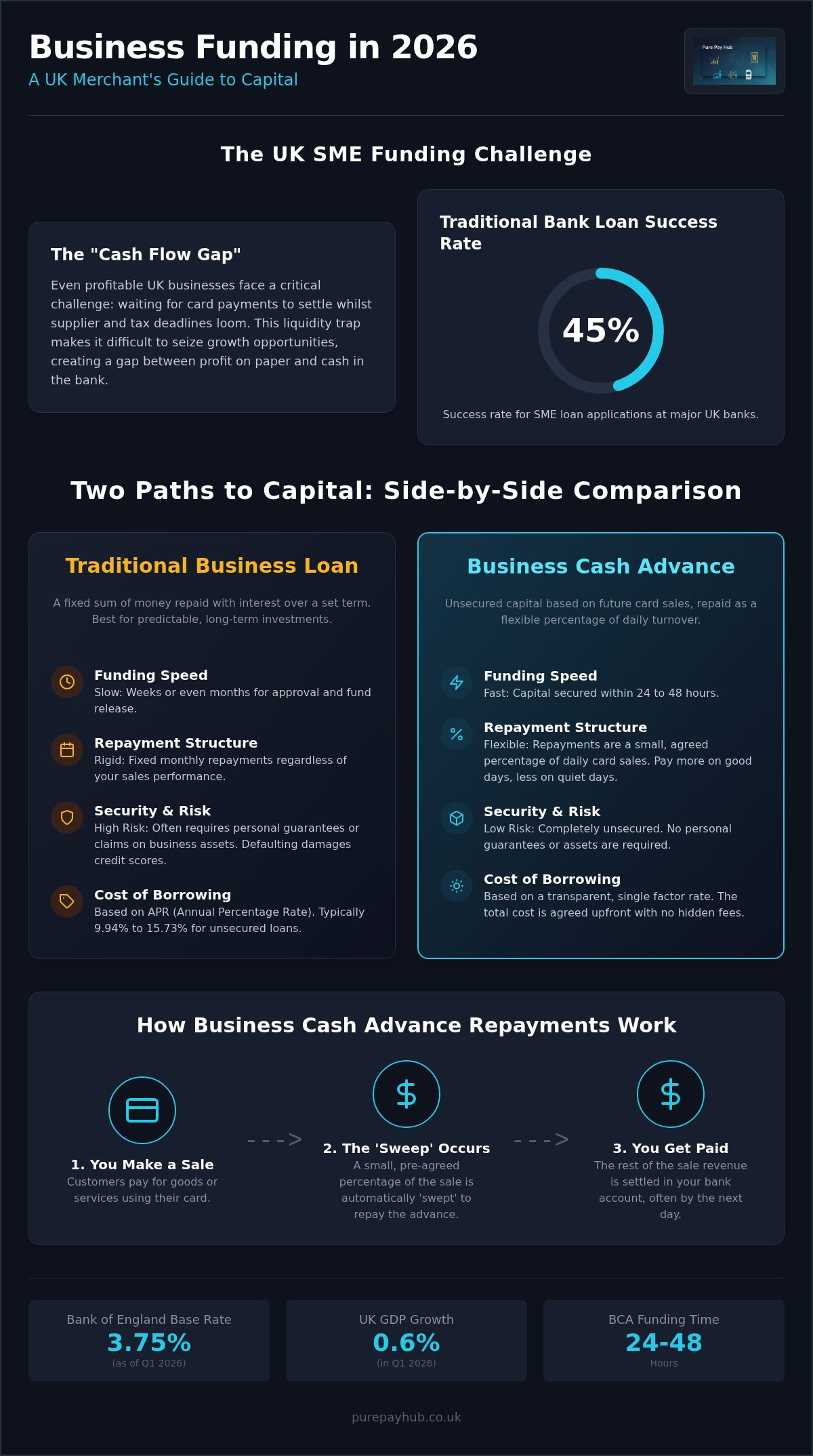
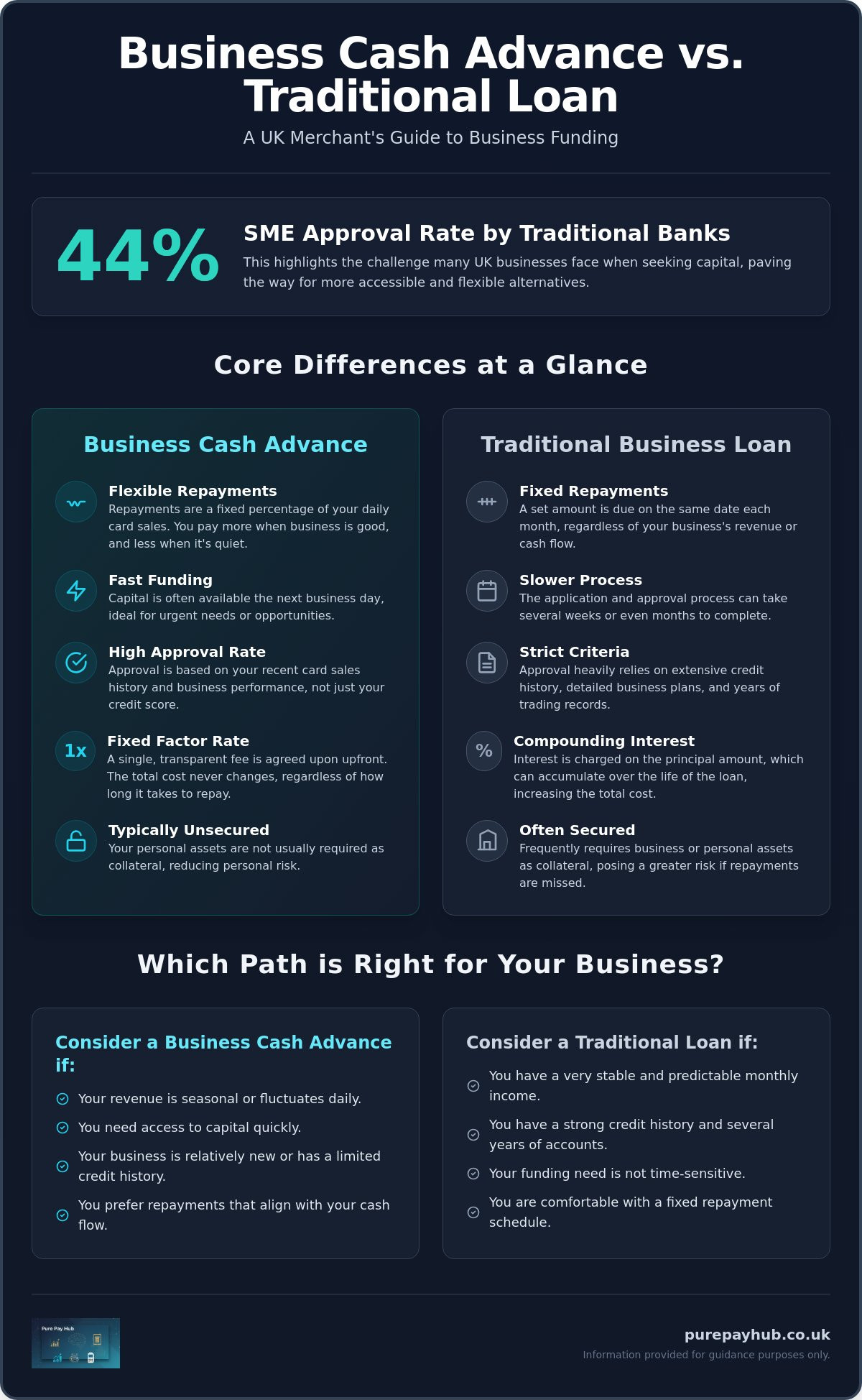
Clean data also opens doors to growth capital. Traditional bank loans often require mountains of paperwork and weeks of waiting. However, because your EPOS records every transaction, you have a verified history of your revenue. This makes accessing a Business Cash Advance much simpler. Lenders can see the health of your business through your sales data, allowing you to secure funding based on your actual performance rather than just a credit score. It is a modern way to fund renovations or stock purchases whilst keeping your cash flow stable.
The PurePay Hub Advantage for UK SMEs
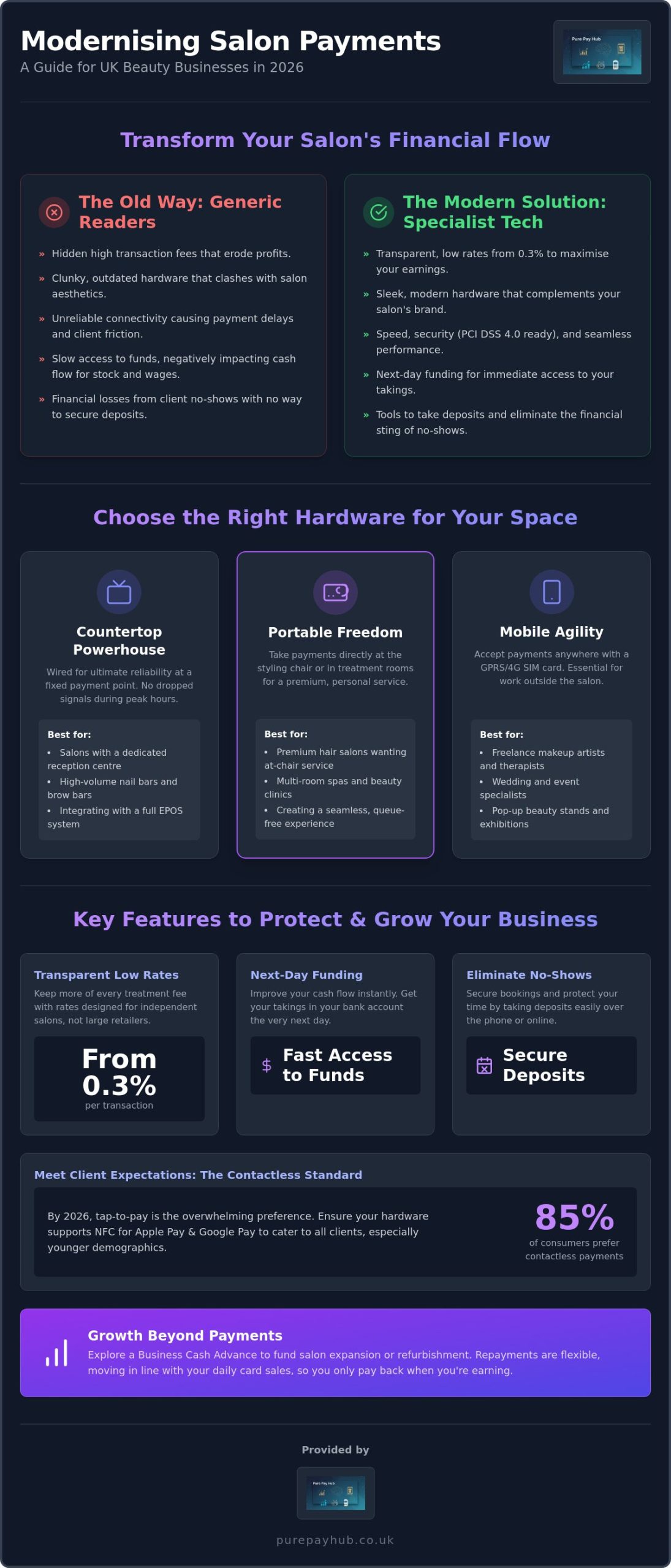
We position ourselves as a fair partner to regional business owners. This starts with debit rates from 0.3%, ensuring you keep more of your hard-earned revenue. We don’t hide behind corporate jargon or opaque markups. Instead, we provide reliable UK-based support to help you organise your setup from day one. Our no-nonsense approach to merchant services means you get a modern fintech experience with the personal touch of a local expert who understands the UK market.
Taking the Next Step Toward Automation
Switching to a more efficient system shouldn’t be a burden. We help merchants move away from restrictive contracts by offering solutions that allow you to switch to an integrated system without the stress of exit fees. Every business is unique, which is why consulting with a PurePay Hub expert is the best way to find your perfect EPOS match. We will look at your specific sector and accounting needs to build a package that works for you. Don’t let manual data entry hold your business back any longer. You can get a transparent quote and streamline your accounts today to see the difference that true integration makes.
Reclaim Your Time and Protect Your Profits
The shift toward digital finance is inevitable, but it doesn’t have to be a source of stress. We have explored how EPOS systems streamline small business accounting by turning every transaction into a clean data point for your ledger. You now understand how real-time synchronisation removes the need for manual data entry and ensures your VAT calculations are always audit-ready. By automating these repetitive tasks, you protect your business from human error and remain fully compliant with the latest MTD requirements.
PurePay Hub is here to act as your supportive business ally. We offer a transparent fee model with debit card rates starting from 0.3% and next-day funding as standard. There are no hidden markups or opaque fee structures; just a reliable, modern system designed to stabilise your finances. It’s time to stop worrying about cashing-up discrepancies and start focusing on your growth. Switch to PurePay Hub and start saving on every transaction today. We look forward to helping you build a more efficient, future-proof business.
Frequently Asked Questions
Can an EPOS system really replace my manual bookkeeping?
An EPOS system automates the vast majority of your daily sales record keeping. It acts as a digital bridge that captures every transaction, meaning you no longer need to manually log individual sales or Z-reports. Whilst it doesn’t replace the strategic advice of an accountant, it eliminates the tedious hours of data entry that often lead to mistakes. It ensures your ledger is always up to date without the need for a pen and paper.
Does an EPOS system automatically calculate VAT for HMRC?
Yes, modern systems automatically apply the correct VAT rate to every item sold at the point of sale. Whether an item is standard, reduced, or zero-rated, the software categorises the tax instantly. This is a key way how EPOS systems streamline small business accounting, as it prevents the need for manual calculations at the end of the quarter. It ensures your VAT returns are based on precise, per-transaction data rather than estimates.
Which accounting software is best to use with a UK EPOS system?
Most UK merchants find that Xero, QuickBooks, or Sage offer the best integration capabilities. These platforms are designed to talk to your EPOS through secure API connections. This allows for a seamless flow of data where your sales, stock, and VAT figures appear in your accounts automatically. Choosing a well-known platform ensures that your accountant can easily access the clean data they need to manage your business finances effectively.
How does an integrated card machine reduce accounting errors?
An integrated card machine removes the need for staff to manually type the transaction amount into the terminal. When the till and the card machine are linked, the price is sent directly to the device. This eliminates keying-in errors where a staff member might accidentally enter the wrong figure. It ensures your bank deposits always match your till reports, which makes your daily reconciliation a stress-free and accurate process.
What are the costs involved in connecting EPOS to accounting software?
Connecting your systems usually involves a monthly software subscription fee and an initial hardware investment. Some providers also charge a small integration fee to link your till with your chosen accounting platform. You should always check for transparent fee structures to avoid hidden markups. Investing in this connection often pays for itself by reducing the number of hours your accountant spends on manual data entry and reconciliation.
Is my data safe when syncing EPOS with cloud accounting tools?
Yes, cloud-based systems use high-level encryption to protect your financial data during the synchronisation process. This is the same level of security used by major banks to ensure your information remains confidential. By storing your records in the cloud, you also protect your business from data loss caused by hardware failure or theft. It provides a secure, centralised location for your records that you can access safely from any location.
How do I manage cash payments alongside card sales in my accounts?
Your EPOS system categorises every sale by payment type, allowing you to track cash and card transactions separately. When you perform your end-of-day cashing up, the system tells you exactly how much cash should be in the drawer. This data is then synced to your accounting software under different headings. It ensures your books reflect your actual bankings and helps you identify any discrepancies in your cash handling immediately.
Can I use an EPOS system to help with my Making Tax Digital (MTD) returns?
Absolutely, an EPOS system is a vital tool for meeting your Making Tax Digital obligations. It acts as the functional compatible software required by HMRC to keep digital records of your transactions. By automatically capturing your sales and VAT data, it ensures you have an accurate, digital paper trail for your quarterly returns. This is essential for how EPOS systems streamline small business accounting as we approach the 2026 MTD deadlines.